
Hurricane-Ready Construction for Stronger Projects in Florida
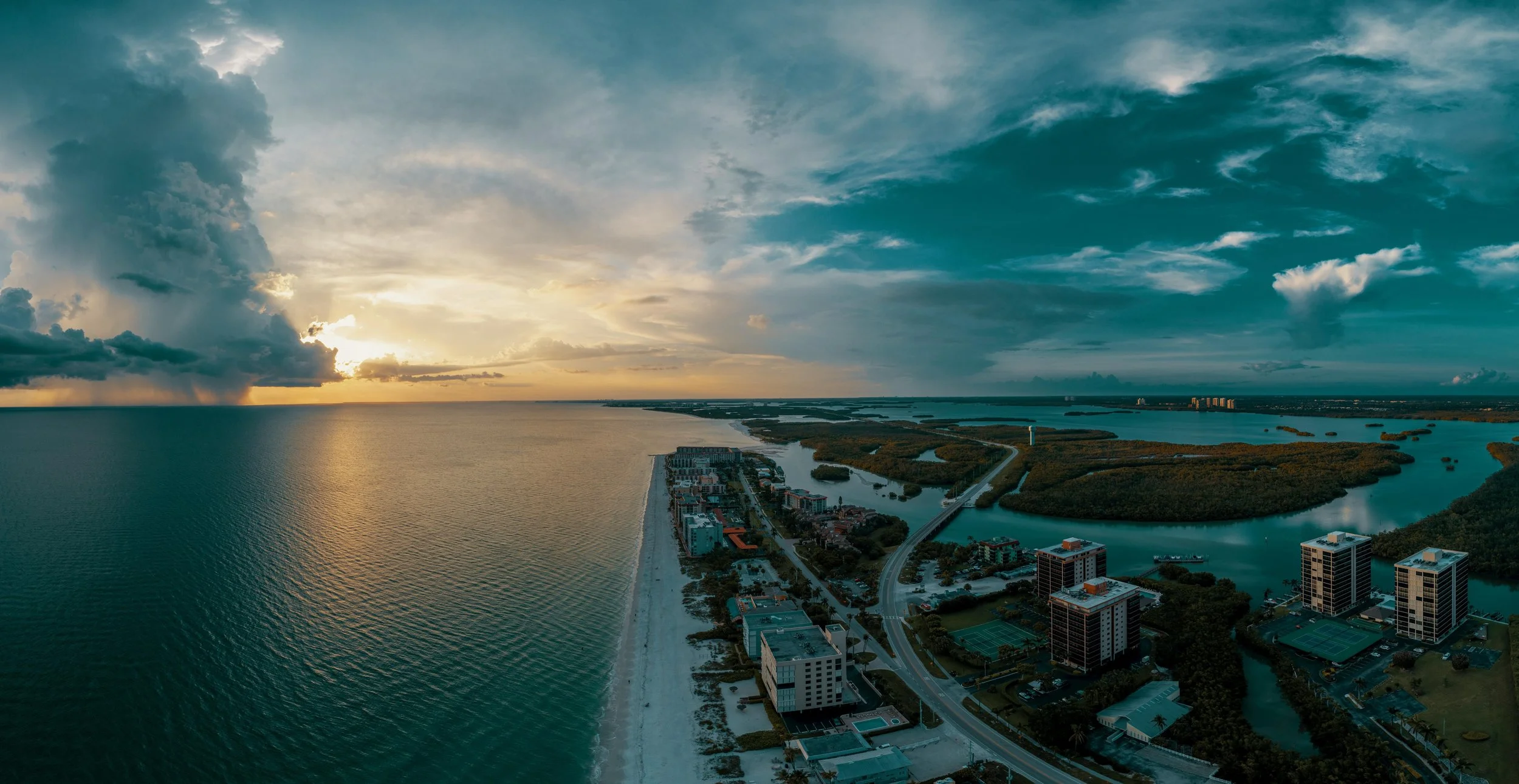
Florida construction projects face a unique challenge: Building in one of the most hurricane-prone regions in the United States. High winds, heavy rainfall, and storm surge all threaten buildings, construction timelines, and long-term property value. Hurricane-ready construction begins long before materials arrive on site.
Decisions made during early planning, design coordination, and project management significantly influence how well a building performs during severe weather. Thoughtful design, careful site planning, and experienced oversight help reduce risk while protecting both the structure and the investment behind it.
Why Hurricane Resilience Matters in Florida Construction
Florida’s exposure to tropical storms and hurricanes makes resilience a central consideration in construction planning. Beyond the immediate risk of wind and water damage, regulatory and insurance pressures have increased expectations for storm-resistant buildings. Owners and developers must demonstrate that projects meet strict building codes and incorporate protective design measures.
Resilient construction is not only about safety. It also protects long-term value. Buildings designed to withstand extreme weather often experience lower repair costs, improved insurance outcomes, and greater operational stability after a storm.
Achieving that resilience requires coordination across the entire project team, from architects and engineers to contractors and project managers. This is why hiring an Owner’s Representative like The Common Area is a wise decision.
Designing Buildings to Withstand Hurricane Conditions
Structural Design and Wind Resistance
Hurricanes introduce powerful wind forces that stress every part of a building’s structure. Engineers must carefully evaluate wind loads and design structural systems capable of withstanding these forces.
Reinforced structural frames, properly designed roof systems, and secure building envelopes all contribute to overall wind resistance. Impact-resistant windows and doors are also critical, helping prevent wind and debris from compromising the building’s interior.
Because these design decisions affect structural integrity, early coordination between architects, engineers, and project managers is essential throughout the design process.
Flood Mitigation and Site Planning
Wind is only part of the challenge. Storm surge and heavy rainfall create significant flood risk, especially in coastal or low-lying areas.
Effective site planning helps manage these risks before construction begins. Elevating buildings in flood-prone zones, improving site drainage, and designing stormwater systems that can handle heavy rainfall are all common strategies.
Mechanical and electrical systems should also be placed above potential flood levels whenever possible. Protecting these systems prevents extended downtime and costly repairs following a storm.
Navigating Florida’s Building Codes and Regulations
Florida’s building codes are among the most rigorous in the country, reflecting decades of lessons learned from major storms. Wind-load requirements, impact-resistant materials, and coastal construction standards all influence how projects are designed and built.
While these codes improve safety and performance, they also add complexity to the permitting and inspection process. Documentation, approvals, and compliance reviews must be carefully managed to keep projects moving forward.
Without experienced coordination, regulatory requirements lead to delays or costly revisions. A structured approach to compliance helps ensure that projects meet both regulatory expectations and resilience goals.
Construction Planning for Storm Resilience
Material Selection and Construction Methods
The materials chosen during construction significantly affect how a building performs during severe weather. Reinforced concrete, steel framing, impact-resistant glazing, and durable roofing systems are commonly used in hurricane-prone areas.
Material selection must balance durability, cost, and long-term maintenance considerations. In many cases, investing in more resilient materials upfront reduces future repair costs and improves building performance over time.
Managing Construction Timelines During Hurricane Season
Hurricane season introduces another layer of complexity to construction schedules. Severe weather disrupts material deliveries, creates unsafe job site conditions, and delays critical phases of work.
Proactive planning helps mitigate these risks. Construction teams may incorporate weather contingencies into schedules, establish site protection protocols, and closely monitor storm forecasts during active construction phases.
Safety planning for workers and temporary site protection measures also play an important role in reducing potential damage during storm events.
Risk Management Throughout the Project Lifecycle
Coordinating Teams and Reducing Project Risk
Resilient construction depends on more than strong materials or structural design. It requires consistent coordination between all parties involved in the project.
Architects, engineers, contractors, and consultants must remain aligned on resilience goals, regulatory compliance, and project timelines. Clear oversight helps ensure that design intent is carried through construction without unnecessary changes or miscommunication.
Project management plays a central role in maintaining this coordination. Monitoring progress, managing documentation, and addressing risks early help prevent small issues from becoming major setbacks.
How Owner’s Representation Strengthens Hurricane-Ready Projects
Complex construction projects benefit from a structured oversight approach. Choosing The Common Area as your owner’s representative provides an additional layer of coordination, helping guide the project from planning through completion.
Our experienced Project Management team monitors your resilience goals so they remain a priority throughout the project lifecycle.
This level of oversight is especially valuable in hurricane-prone regions, where regulatory requirements, environmental risks, and construction logistics intersect.
Building Smarter for Florida’s Storm Reality
Hurricane-ready construction requires more than durable materials or stronger structural systems. It demands careful planning, coordinated design, regulatory awareness, and disciplined project management.
For owners, developers, and investors building in Florida, resilience must be built into every stage of the process, from site planning and engineering to construction oversight.
The Common Area helps clients navigate these complexities by providing experienced project management and owner’s representation services. By coordinating teams, managing risk, and maintaining clear oversight, we help ensure projects are designed and delivered with resilience in mind.