
How Owners Can Protect Florida Construction Projects from Weather and Regulatory Risk
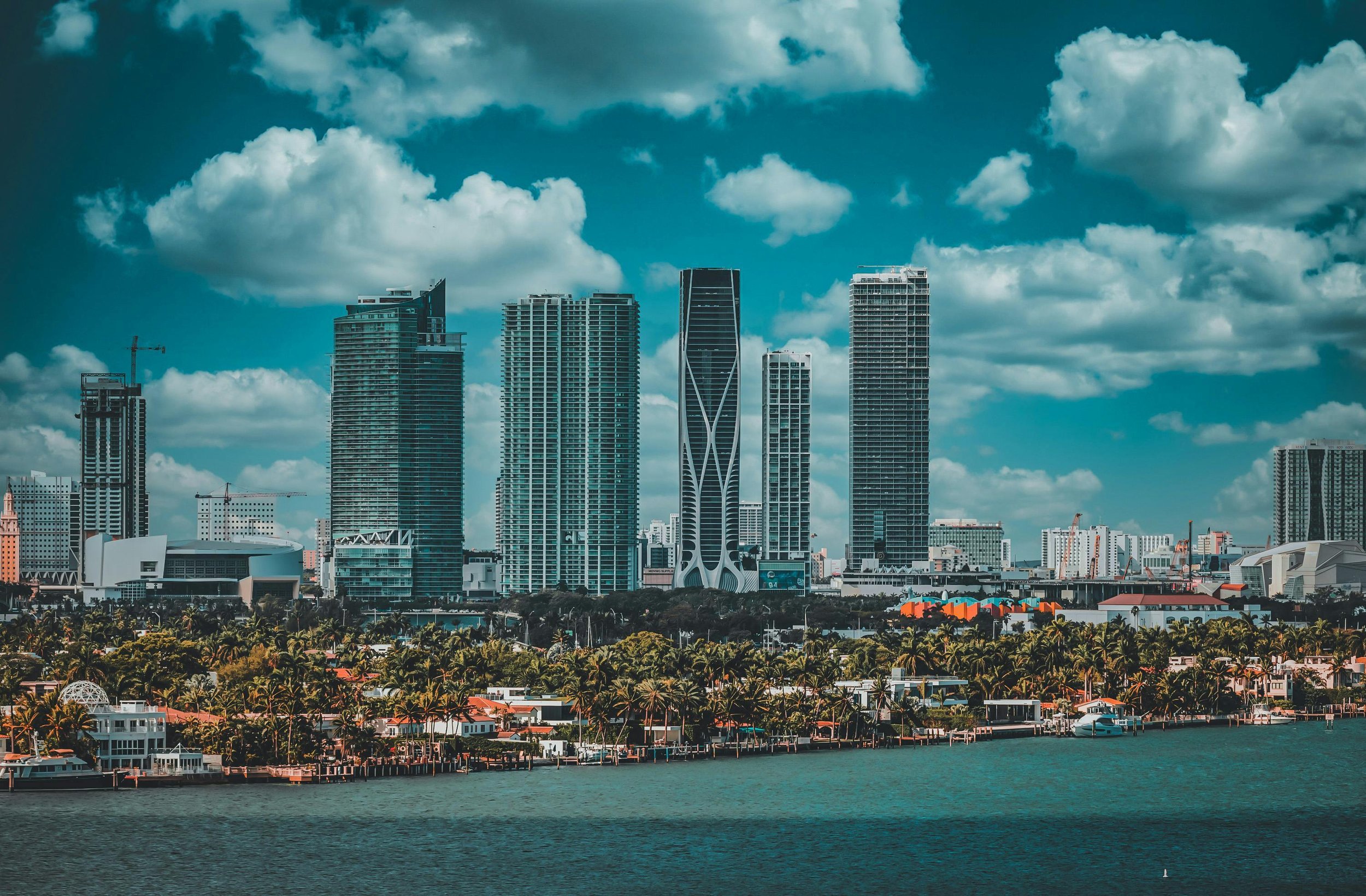
Florida offers opportunity, but it also introduces complexity that can materially affect construction timelines, budgets, and feasibility. Weather volatility, building codes, permitting variability, and insurance instability combine to create a project environment unlike most other states.
For owners, investors, tenants, and developers, protecting a Florida construction project requires more than strong design and capable contractors. It requires early risk recognition, disciplined oversight, and structured planning from preconstruction through delivery.
Below is a practical look at where projects face the most exposure and how owners can proactively manage it.
Why Florida Construction Is Different
Construction in Florida operates within a high-risk baseline. Three conditions shape nearly every project:
Environmental exposure, including hurricanes, extreme heat, heavy rainfall, and high groundwater levels
Strict regulatory frameworks, led by the Florida Building Code and reinforced by local municipalities
Insurance and financing pressures, often tied to storm risk and compliance standards
These factors are not occasional disruptions. They are structural realities. Projects that treat them as secondary considerations often experience avoidable delays and cost escalation.
Weather Risk
From June through November, active hurricanes and other storm systems can halt job sites, delay inspections, and damage stored materials. Even near-miss storms may trigger precautionary shutdowns.
Effective protection begins during preconstruction. Schedules should account for seasonal risk windows, and contracts should clearly define responsibilities related to storm preparation and recovery.
Heat, Humidity, and Daily Productivity
Florida’s climate affects more than major storms. High heat and humidity can impact worker safety protocols, productivity, and material performance. Concrete curing conditions, moisture-sensitive finishes, and roofing installations require additional monitoring and sequencing discipline.
Owners who understand these constraints are better positioned to evaluate realistic timelines and avoid compressed schedules that increase quality risk.
Flood Zones and Water Table Conditions
In many regions, high groundwater levels complicate foundation work and underground utilities. Drainage design, elevation requirements, and stormwater management become critical components of feasibility.
Early site analysis and engineering coordination are essential to prevent redesign and permitting setbacks later in the process.
Regulatory Complexity
The Florida Building Code (FBC) imposes stringent structural and wind-load requirements. Impact-rated glazing, reinforced roofing assemblies, and engineered systems reviews are common expectations, particularly in coastal areas.
Compliance is non-negotiable, and misinterpretation can lead to rejected submittals, redesign, and costly revision cycles.
Local Permitting Variability
While the FBC sets statewide standards, municipalities maintain their own review processes. Approval timelines, documentation requirements, and inspection sequencing vary significantly by jurisdiction.
Historic overlays, coastal construction zones, and environmental restrictions can add additional review layers. Owners should anticipate longer review times in high-growth markets where permitting departments are handling heavy volumes.
Environmental and Coastal Oversight
Projects near wetlands or coastal zones may require state-level review and coordination with environmental agencies. Stormwater management, mitigation plans, and Coastal Construction Control Line (CCCL) compliance can materially affect design and cost.
Delays in these areas often exceed weather-related setbacks because approvals must be secured before major site activity can proceed.
The Hidden Risks Owners Often Underestimate
Insurance Volatility
Florida’s insurance landscape continues to shift. Builder’s risk coverage may carry higher premiums or limited carrier availability. Lenders may impose additional conditions tied to storm resilience and code compliance.
If insurance feasibility is evaluated too late, it can unexpectedly alter project economics.
Contractor and Labor Constraints
Rapid development in key markets increases demand for skilled labor and reliable subcontractors. Overextended trade partners create scheduling bottlenecks and elevate performance risk.
Evaluating contractor capacity is a critical protective measure.
Material Escalation and Supply Disruption
Storm activity can create regional material shortages, particularly for roofing systems, glazing, and structural components. Escalation clauses and long-lead procurement strategies should be reviewed carefully during contract negotiation.
How Proactive Oversight Reduces Exposure
Protection begins before groundbreaking. Owners who implement structured oversight mechanisms reduce the need for reactive decision-making later.
Early Risk Identification
Preconstruction planning should incorporate seasonal buffers, realistic permitting durations, and detailed scope reviews. Identifying exposure early allows contingency planning to be strategic rather than reactive.
Centralized Communication
A clear point of coordination improves accountability and speeds resolution of regulatory questions, inspection sequencing, and change management. Fragmented communication often amplifies delay.
Budget and Schedule Monitoring
Ongoing tracking of cost exposure, pending change orders, and approval milestones allows owners to respond before small deviations become significant overruns.
Regulatory Navigation
Coordinating with municipalities, managing documentation flow, and properly sequencing inspections reduce administrative bottlenecks that can stall progress.
Planning Before Groundbreaking
Owners protecting Florida construction projects should:
Incorporate hurricane season into master scheduling
Confirm insurance feasibility early
Understand local permitting timelines and approval layers
Evaluate contractor capacity realistically
Establish contingency reserves aligned with Florida-specific risk
In Florida, risk is not an exception. It is embedded in the environment. Projects that acknowledge this reality early protect capital, timelines, and stakeholder relationships.
For tenants, landlords, investors, and developers building in Florida, disciplined project leadership transforms complexity into controlled execution by an owner’s representative.
The Common Area supports projects from planning through delivery, helping owners navigate operational challenges with clarity and confidence. Connect with us today!